Newsletter Subscribe
Enter your email address below and subscribe to our newsletter

 ByJohn A
How Technology Has Changed Everyday Lifeproductivity, and timing. Privacy, security, and data ownership emerge as central concerns amid pervasive connectivity. Social life shifts toward screen-centered interactions, while biases and distractions appear alongside new efficiencies. As habits adapt and ethical checks evolve, the landscape invites careful evaluation to sustain autonomy without stifling innovation. The next step prompts sustained scrutiny.
Technology has become a constant mediator of daily life, altering when, where, and how routines unfold. In modern schedules, smart home systems coordinate tasks, automate lighting, and optimize energy use based on sensor data, while wearable data informs activity patterns. This data-driven approach clarifies productivity beats, reduces friction, and supports autonomy, yet requires mindful integration to preserve personal choice and balance.
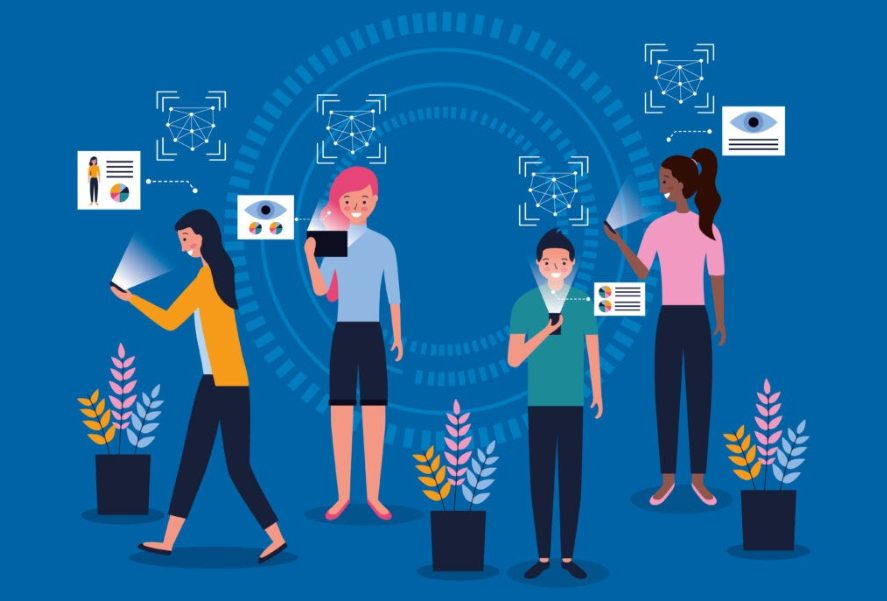
The widening use of connected devices and data analytics has amplified concerns over privacy, security, and trust. With rapid digitization, stakeholders seek measurable privacy metrics, transparent trust verification, and robust security protocols to prevent breaches. Data sovereignty emerges as a principle guiding governance and cross-border data flows. Clarity, accountability, and verifiability underpin a framework that supports secure, freedom-respecting innovation.
In a world saturated with screens, social connection unfolds through digital channels as much as face-to-face interactions. Data show networks shape relationships, yet screen-based ties can fragment time and attention. Connection fatigue rises when notifications intensify social pressure. Algorithmic bias can skew perceptions of belonging, underscoring the need for inclusive designs that preserve autonomy, choice, and authentic community.
Curiosity and adaptability define the skills that endure amid rapid change, as individuals cultivate habits that translate learning into performance across contexts.
A future-proof mindset emphasizes privacy metrics, data ownership, and continuous ethical evaluation; it relies on disciplined behavior design and critical use of AI assistants. This approach remains data-driven, accessible, and aligned with autonomy, transparency, and measured personal impact.
Technology influences childhood development by shaping attention patterns and learning preferences, with outcomes depending on content quality and structure. Playful learning fosters curiosity, while screen time balance supports executive function; data-driven approaches guide educators toward balanced, meaningful tech integration.
Automation may create some new automation jobs while potentially widening unemployment gaps; about 30% of tasks could be automated with substantial regional variation. The question remains: will automation jobs net positive or negative for overall employment and incomes? Data remains nuanced.
Digital wellness strategies can meaningfully reduce screen time stress by promoting mindful use, healthy boundaries, and digital balance; evidence suggests digital minimalism and screen time strategies lower digital burnout when consistently practiced with data-driven, accessible guidance for autonomy.
One study shows 60% trust AI for routine decisions, yet caveats remain. AI advice can help, but depends on data quality and transparency; electric privacy and AI bias persist, demanding critical evaluation for meaningful, freedom-respecting everyday choices.
Pervasive data collection raises privacy ethics concerns about autonomy, consent, and control. It pressures individuals within evolving surveillance norms, prompting critiques of power imbalance, data commodification, and accountability. Data governance must protect rights while preserving informed freedom.
Technology threads through daily life like a quiet current—lighting that responds to presence, wearables that translate motion into insight, screens that connect distant moments. Yet behind the glow, data trails reveal patterns, demands for trust, and choices about privacy. When institutions safeguard consent and individuals curate use, the current becomes reliable rather than invasive. A balanced, future-proof mindset—curiosity tempered by guards—lets communities harvest efficiency, connection, and autonomy without sacrificing the humanity that tech seeks to serve.